
How to Blend Colors: Methods to make a Smooth Taking a Transition
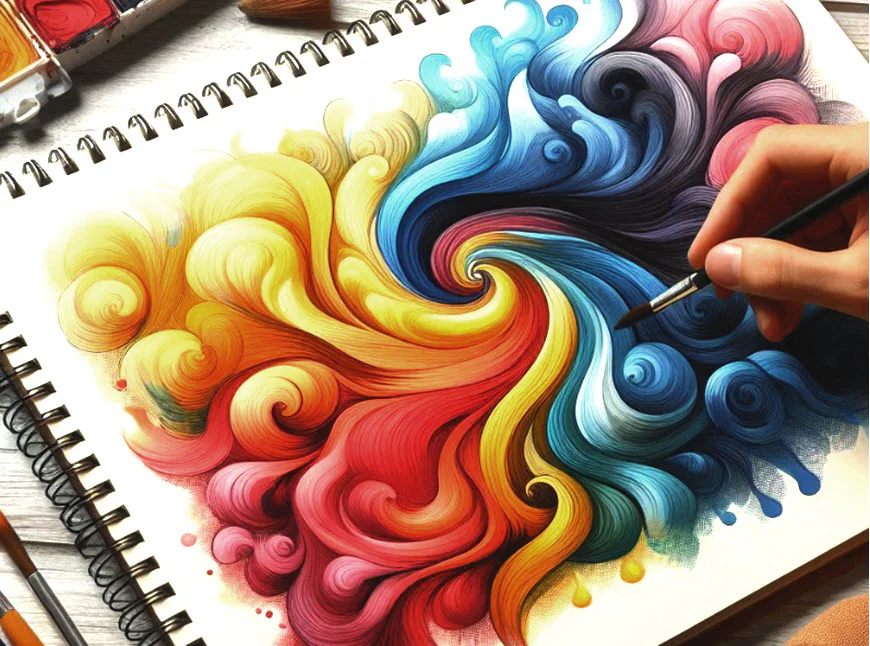
Smooth beautiful color transitions between colors was one of the best aspects of coloring. Blending will give your work a polished appearance and also create depth, a realism, and artistic quality to any coloring page.
-
The importance of Blending in Coloring
Blending is not only to mix colors to fade into another; but to make achievement of harmony and realism. You can, with good blending:
Make objects more dimensional.
Soft gradients of skies, skin tones or waters should be created.
Make light and dark injections appear natural.
Brighten the general atmosphere and lushness of your picture. -
Easy Things to Know about Color Blend
These are some of the basic fundamentals to remember before getting into techniques:
Consistencies in the color hues: Smooth blending colors near on the color wheel (green and blue) are much easier to mix up with contrasting colors.
Layers, work: Working in layers has the advantage of not using harsh lines, working light to dark.
Maintain steady pressure: Odd pressure changes will lead to blender unevenness. -
Using Coloured Pencils
The tool that is most versatile in its ability to blend is the colored pencils. These are some famous methods:
a. Burnishing and Layering
Layering: Apply the first color in light layers and then gently over applying with the second one. Continue repeating untill one has a smooth transition.Burnishing: After being layered, press with a light-colored pencil or an uncoloured blender pencil to push pigment into the paper resulting in smooth finish.
b. Slow Change of Pressure
Press more in places where you desire the color to be intense then reduce pressure slowly towards the where you are blending the color. Same method in overlapping with the next color.c. Blending
With a blending stump or cotton swab either an odorless mineral spirit or a rubbing alcohol is used to dissolve the pencil wax to a paint-like blend. Its performance is most effective on heavy paper. -
Meshing with Markers
Markers, and alcohol-based in particular, can be fantastic in smooth gradients of color.
a. Light-to-Dark Layering
Begin with the lighter color and coating the whole area of the blend.
Put on the dark pigment at the points where it is required and at once follow the line of transition again with the the lighter color with the view of mixing the pigments.b. Blender Marker colorless
These labels which are also known as marker without pigment push and scatter ink to blur edges between different colors.
Use it well to correct hard lines or give some spots a little lightening.c. Overlying Strokes
Blend at high speed to keep the printing wetted down with ink alcohol markers mix best when they are still wet on the job. -
Melting with Crayons
Although crayons are, of course, never inherently blendable like pencils or markers, you can nevertheless achieve smooth effects with them.
a. Layering & Pressure Control
Put down a very light layer of one of the colours, and follow up by placing on another colour, light pressure. Continue to lay in layers until colors blend.b. Heat Blending
Before blending, warm the paper a little with a hair dryer-this softens the wax and helps get colors to merge.c. Burnish White Crayon
Apply two colours and then over them a white crayon in order to soften and blend them. -
Blending of Mixed Media
It was possible to get original results by mixing the mediums:
Markers + Colored Pencils: Draw a level layer with a marker to provide a smooth color, then put in the depth andshadows with pencil.
Watercolor Pencils + Markers: Add soft and painted combinations with watercolor pencils afterward, add color details by making use of markers. -
Pro Tips to Become Good Blends
Select the proper paper: Feathering can be avoided using heavier, smoother paper that will enable you to use a greater level of layering.
Light to dark: Dark color is easy to apply than lightening up an area that is already too bright.
Do not work too hard: They end up crippling the paper.
Never commit to your page until you first test your combinations on a scrap piece. -
Blending Errors to Shun
Blending too far apart on the color wheel without balancing between them with a middle tone-leads to muddy or streaky blending.
Being in a hurry--smooth blending does not come in a hurry.
Passing over quality of paper-thin paper may buckle, bleed or tear when put through blending processes.Final Thought:
Commingling of colors is both a technical and creative one. The practice makes perfect and once you start doing it every day it will become easier and easier. Try out various techniques, equipment and use of the colors and before you know it, your coloring pages will appear more professional and polished looking as you always admired.