
Body Language and Facial Expressions Say?
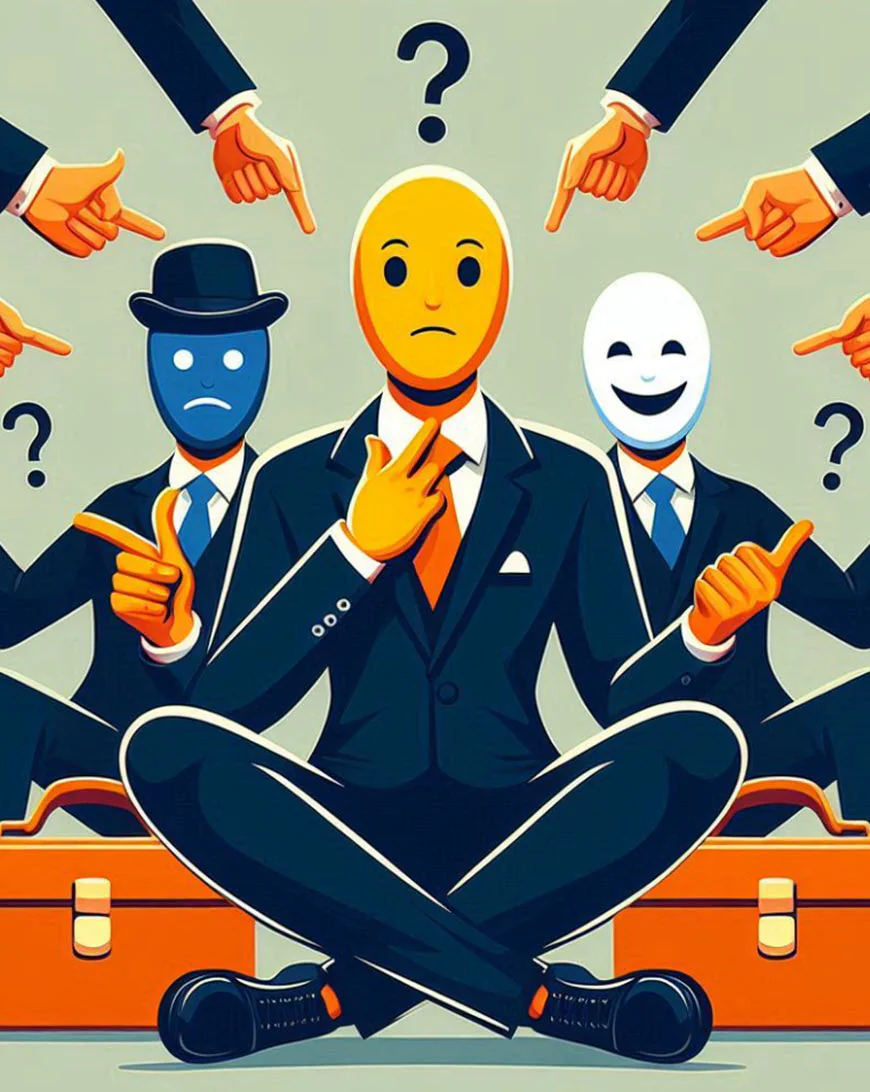
No one will be able to lie to you; Body language and facial expressions show what a person really is. These can be figured out with a certain amount of observation.
-
What is Body Language and What Does It Tell?
Body language is a universal form of communication that allows people to express their feelings and thoughts through gestures, facial expressions, postures and movements, in addition to verbal communication. In addition to verbal communication, body language is also an important element that conveys a person's intention, mood and attitude to the other party. Most people unconsciously give various messages to the other person with body language.
While body language can vary culturally, some movements and gestures can have similar meanings around the world. For example, crossing your arms can indicate a defensive or closed-off attitude, while smiling often symbolizes happiness or friendliness.
-
Which Body Language Movements Indicate What?
Body language movements are important indicators that reflect a person's inner world and emotional state. Here are some common body language movements and their meanings:
-
Crossed arms: A defensive attitude, a sign of shyness or insecurity.
-
Hands on hips: Can indicate determination, self-confidence, or defiance.
-
Making eye contact: Shows honesty, trust, and sincerity. However, excessive eye contact can be uncomfortable.
-
Constantly looking at the floor: This could indicate shyness, timidity, or lack of self-confidence.
-
Tilting your head slightly to the side: A sign of interest and attention, usually indicating a sincere interest in what the other person is saying.
-
Direction of the feet: Shows where the person's interest and attention is directed. If it is turned towards the other person, it symbolizes interest; if it is turned in another direction, it symbolizes the desire to escape.
-
Palms open: Shows honesty, openness and trust.
-
Bringing the fingertips together: A symbol of self-confidence and authority. Usually managers and leaders make this gesture.
-
Playing with hair: Could be a sign of anxiety, flirting, or stress.
-
Constantly looking at your watch: A sign of impatience or indifference.
-
-
What Do Facial Expressions Tell Us?
Facial expressions are one of the most obvious body language elements that show a person's emotions. People consciously or unconsciously send messages to the other person with their facial expressions. Here are some basic facial expressions and their meanings:
-
Smile: Expresses happiness, sincerity or a friendly approach. However, fake smiles can be seen in the eyes.
-
Raised eyebrows: May indicate surprise, interest, or questioning.
-
Frowning: Can be interpreted as anger, disappointment, or intense thinking.
-
Narrowing of the eyes: A sign of doubt, suspicion or focus.
-
Biting lips: Indicates anxiety, tension or stress.
-
Wrinkling your nose: A sign of displeasure or disgust.
-
Averting your eyes: Can indicate embarrassment, shyness, or disinterest.
-
Pursing your lips: Indicates a thoughtful mood or displeasure.
Body language and facial expressions can be more effective than words in communication. Therefore, both controlling our own body language and understanding the body language of the other person correctly helps us establish healthy and effective communication.
-
-
Body language and facial expressions in people who lie
The body language and facial expressions of people who lie are usually involuntary movements and emotional reactions. However, everyone's reactions can be different. Here is a detailed list:
1. Eye Movements
✅ Avoiding eye contact: People who lie usually reduce their eye contact. However, some professional liars may make excessive eye contact.
✅ Rapid blinking: An increase in blinking frequency may be seen due to stress.
✅ Shifting the eyes to the right or left: The brain may tend to daydream when looking to the right and remember when looking to the left (varies from person to person).
✅ Keeping the eyes fixed for a long time: There may be an unnatural, dull look when lying.2. Mouth and Lip Movements
✅ Lip biting: Lip biting or tightening may be seen with anxiety and feelings of guilt.
✅ Lip puckering: When lying, the mouth may shrink and the lips may be pulled in.
✅ Mouth closing: The hand may be brought to the mouth as a reflex.
✅ Dry mouth and swallowing: The mouth may become dry due to stress and the need to swallow frequently may arise.3. Facial Expressions
✅ Asymmetrical smile: A real smile is symmetrical, while a one-sided smile can be seen in people who are lying.
✅ Eyebrow raise or frown: Eyebrow movements can be sudden when answering an unexpected question.
✅ Dullness in facial expressions: Under stress, a person may use their face less.4. Hand and Arm Movements
✅ Hiding hands: These may include putting them in pockets, crossing arms, or putting them under the table.
✅ Hiding palms: Open palms are a sign of honesty; someone lying may tend to close their palms.
✅ Scratching the face with hands: The area around the nose, chin, or eyes may itch.
✅ Making frequent hand movements: The person lying may move their hands more than necessary.5. Body Movements
✅ Restless movements in a chair or standing position: The person may sway in their chair, swing their feet, or change positions constantly.
✅ Self-hugging: The person may hold their own arms or cross their arms across their chest to suppress anxiety.
✅ Body pulling back: The body may lean back slightly to avoid direct confrontation.6. Voice and Speaking Style
✅ Trembling or hoarseness of voice: Voice tone may change due to tension.
✅ Hesitation in speech: There may be unnecessary long pauses within sentences.
✅ Giving excessive details: Unnecessary details may be added to make the lie convincing.
✅ Effort to change the subject: He may want to change the subject quickly or ask the other party a question.
✅ Sudden change in tone of voice: He may speak higher or lower than normal.7. Breath and Heartbeat
✅ Rapid breathing: Breathing may accelerate due to stress while lying.
✅ Breathing from the abdomen instead of the chest: Instead of deep chest breaths, shallow abdominal breaths may be seen.These signs don’t necessarily mean a person is lying, but they can be helpful in identifying suspicious situations. Many people react similarly under stress. It’s important to consider multiple clues to detect a lie.